
Recently, Kurt Kuhlmann, a former developer of B, was interviewed by the media and talked about his experience in participating in the development of the "Elder Scrolls" series.He revealed that the province of Selodir was originally set to be much "weird" in "The Elder Scrolls 4: Annihilation".
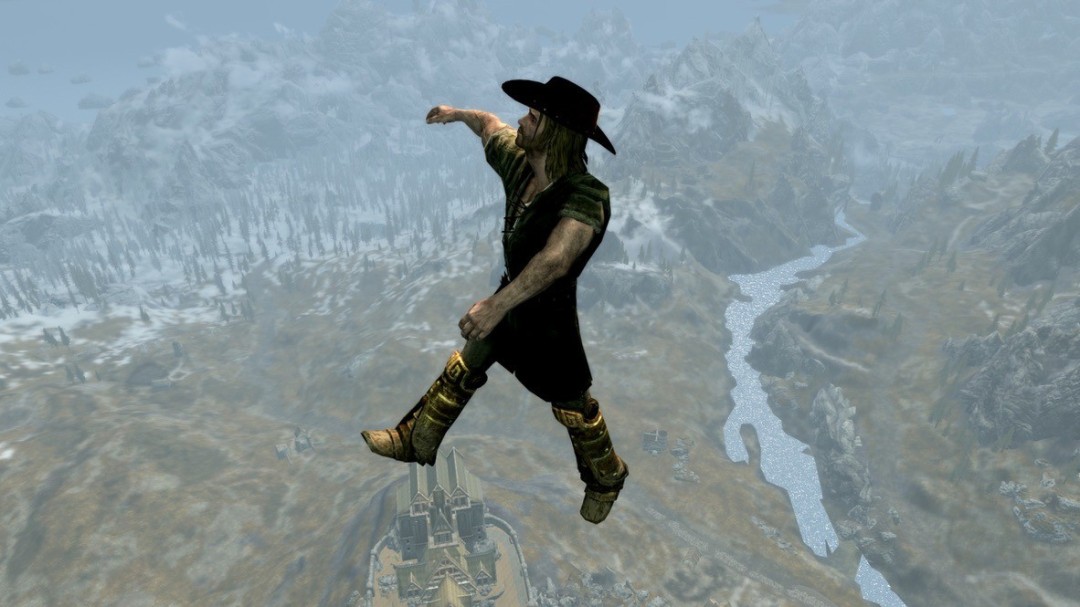
"The Elder Scrolls 3: Morning Breeze" has psychedelic elements and surreal qualities, which is in sharp contrast to the subsequent works.Despite the huge success of The Elder Scrolls 4: Oblivion and The Elder Scrolls 5: Skyrim, this style shift still disappoints some fans – especially those who have first learned about Selodir through The Pocket Guide to Empire.
As a core member of the team, Kuhlmann was responsible for the design of a large number of early scripts, stories and game systems during the pre-production stage of "The Elder Scrolls 3: Morrowind", and then left the company until he returned to the end of the pre-production of "The Elder Scrolls 4: Oblivion".
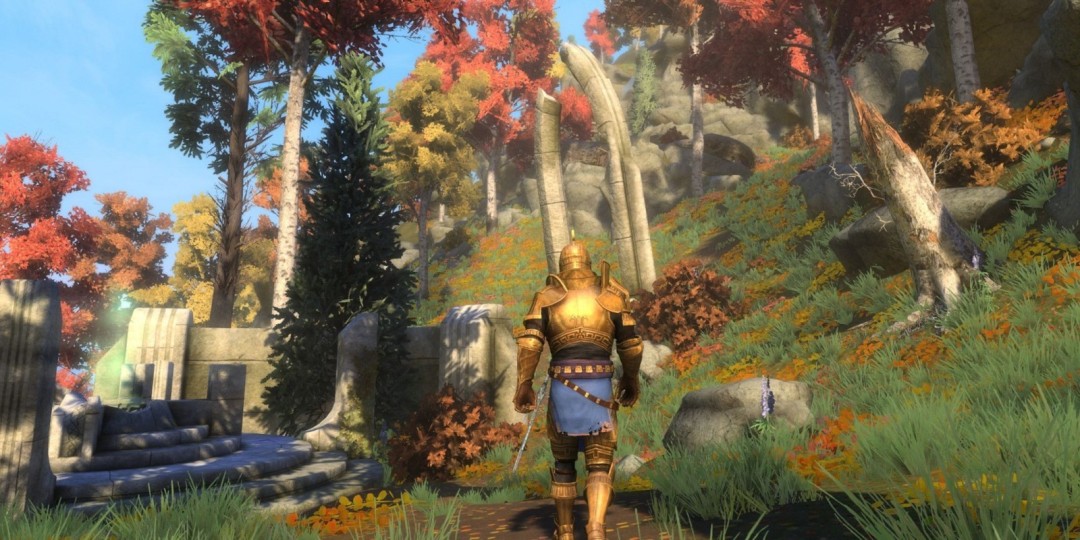
Kuhlmann revealed that the construction of the worldview of "The Elder Scrolls 4: Oblivion" was basically completed at that time, but the final game did not show the strangeness he and Michael Kirkbride described in "The Pocket Guide to the Empire".He specifically mentioned the influence of works such as "Dune" and "Black Crystal", and admitted that if he had the opportunity, he would add more surreal elements to "Obsolute".
"The Elder Scrolls 4: Annihilation" ultimately failed to fully realize the weird style originally envisioned for several reasons.According to him, "Obsolute" was influenced by the popular "Lord of the Rings" movie at the time, and it has a more traditional fantasy story.Todd obviously doesn't like weird things.Kuhlmann noted that while Elder Scrolls 5: Skyrim isn't particularly weird, it has "more dark corners" than the previous one.