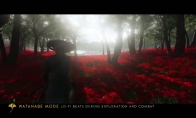

In October 1988, Sega released the world's first 16-bit home video game console - MegaDrive (also known as Sega Genesis).In addition to the 8-bit host with far superior performance and color performance to the previous generation, and is more suitable for high-speed action games, another highlight of Sega MD is its iconic "FM sound source" audio system.
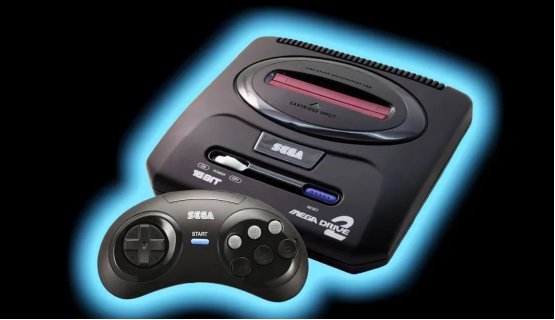
The FM synthesizer is that it has a variety of tones and complexity. In the field of electronic music, the FM synthesizer can perfectly use its unique electronic tone to show a "non-realistic sense" - the unrealistic sound that players imagine from the cyberspace on the other end of the screen, and was therefore widely used in the pop music of the time.
You can say that Sega hardware developers at that time were "following the trend", but FM sound source is indeed suitable for the music needs of games.For example, compared with traditional audio system storage methods, FM synthesizers have less dependence on storage space.The FM synthesizing soundtrack only needs to store the relevant parameters of the tone, and then prepare a "score" table to play, perfectly adapting to the limited capacity of the MD cassette.
But what Sega may not have expected was that it was this "fashionable" that unexpectedly created a classic case of the integration of technology and art in game hardware, and it also influenced the musical aesthetics of electronic games in the 1980s and 1990s.
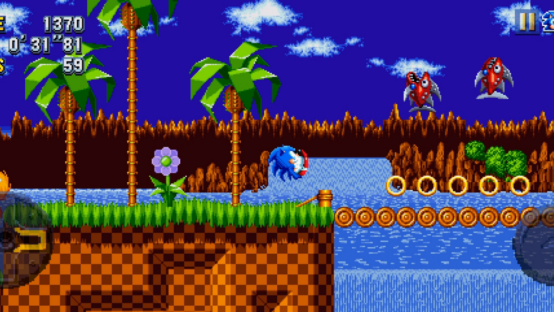
For example, in "Sonic the Hedgehog", the high-speed electronic melody achieved by the multi-track mix of FM synthesizer is quite consistent with Sonic's lightning speed. Now, the high-speed electronic soundtrack has almost become one of the representative elements of this "blue hedgehog".
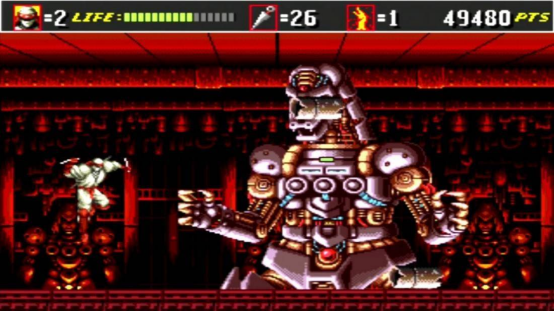
For example, many games that landed in Sega MD, such as "Iron Fist of Rage" and "Super Ninja" are famous for their soundtracks, and some of the music is widely circulated, even beyond the game itself.Among them, the role of FM synthesizer is an indelible contribution; another key factor is the ancient Yousan, who plays an important role in the development of FM synthesizers.
There is a saying in the gaming industry: as long as the music producers of a certain game are on the list of ancient Yusan, even if the game is not fun, the soundtrack will definitely sound good.
In "Iron Fist of Rage 2", Yuzo of Ancient used fast-paced electronic music to create a soundtrack full of the last century's super heavy bass disco dance style, which is very suitable for the game's urban street fighting scenes.
In "Super Ninja", he changed his style, cleverly combined the Japanese pentagonal scale with high-speed electronic beats, and simulated the sound effects of traditional oriental instruments such as shakuhachi and Sanmi line, ultimately creating a "non-realistic sense" of the collision between traditional oriental style and future technology.Under the cold tone of the FM synthesizer, what players can feel is the fusion of the combination of things, tradition and emerging, which complements the super ninja in the future technological world described by "Super Ninja".
It can be said that it was the ancient Yusan who used electronic notes one by one to let players remember these familiar melodies, and along with the happy times at that time, it became a beautiful memory for electronic games engraved in their minds by many players.
The new work "Super Ninja Counterattack" evokes this memory. Not long ago, Sega officially announced that the soundtrack of "Super Ninja Counterattack" will be created by Tee Lopes and Yuzo Ancient.It is worth mentioning that in addition to the legendary musician Yuzo of ancient times, Tee Lopes is also a well-received star in the game industry. He started out as Sonic fans and indie games. His talent and enthusiasm for games and music have gradually been recognized by the industry and players. He then deeply participated in the music production of Sega-related works such as "Sonic: Carnival" and "Raging Iron Fist 4" and other major game manufacturers. He is a good player in using electronic sound.
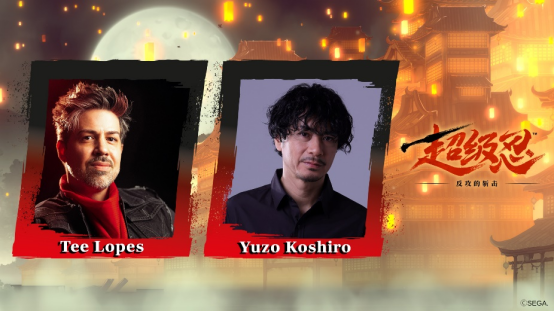
According to Sega, the new "Super Ninja" music will absorb the history and innovation of the series of works, and bring players an audio-visual feast with a bolder and more modern style.
From the level demonstrations that have been released before, we can also experience the charm of electronic music through some clips.
In the "Missy Village" as the initial level, "Super Ninja Counterattack Slash" undoubtedly continues the series' soul - the fusion of the East and the West - brings a unique auditory experience, which is very consistent with the game's future fantasy style.In addition, the game clearly incorporates modern rock elements, and the exciting melody in the battle also makes players' moods so high.

In the "Lantern Festival" level, the sense of déjà vu is more obvious.Traditional Hefeng instruments and tight electronic beats, coupled with gorgeous hand-painted visual style, create a cheerful festive atmosphere.And as the pace accelerates, the tension of the battle comes again.
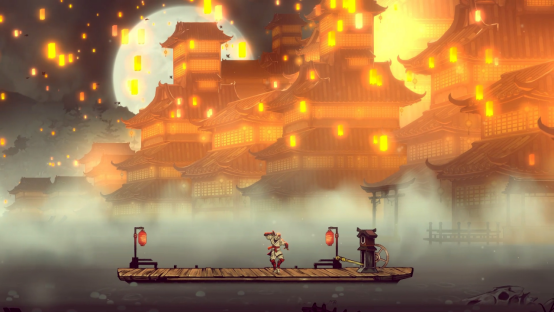
I am also willing to believe that at a time when game development technology is constantly improving, without hardware restrictions such as storage and functions, "Super Ninja Counterattack" will definitely use the familiar style in memory to pick up those beautiful memories, and at the same time bring a completely different auditory feast through the brand new arrangement.
This game will be officially released on August 29, 2025, and will be available on PS5, PS4, Nintendo Switch, Xbox Series X|S, Steam and other platforms. Interested players may wish to go to the store page to learn more.